

The skin often speaks before we realize it is reacting. A sudden tightness in winter. Increased sensitivity after travel. Oiliness that feels unfamiliar in warmer months. These shifts are not random. They are the skin responding to its environment.
The skin barrier is designed to protect and adapt, but it does not operate in isolation. Temperature, humidity, wind, sun exposure, and even indoor air all influence how well the barrier functions. When we understand this relationship, skincare becomes less reactive and far more intentional.
Understanding the Skin Barrier
The outermost layer of the skin is the body’s first point of contact with the environment. Its role is protective, but also balancing. A healthy barrier keeps moisture in, irritants out, and allows the skin to function with resilience and ease.
The Structure of the Barrier
The skin barrier is often described as a brick-and-mortar system. Skin cells act as the bricks, while lipids such as ceramides, cholesterol, and fatty acids form the mortar that holds everything together. This structure creates strength, flexibility, and protection.
When this lipid balance is intact, the skin feels comfortable and stable. When it is disrupted, moisture escapes more easily and the skin becomes reactive, dry, or inflamed.
Natural Defense Systems
The skin produces its own moisturizing factors to attract and hold water. Sebaceous glands release oils that add another layer of protection. The skin’s naturally acidic environment supports a healthy microbiome and helps defend against harmful bacteria.
Weather changes can challenge these systems quickly. If the skin cannot adapt in time, discomfort and visible imbalance often follow.
How Cold Weather Affects the Skin Barrier
Winter tends to be one of the most demanding seasons for the skin.
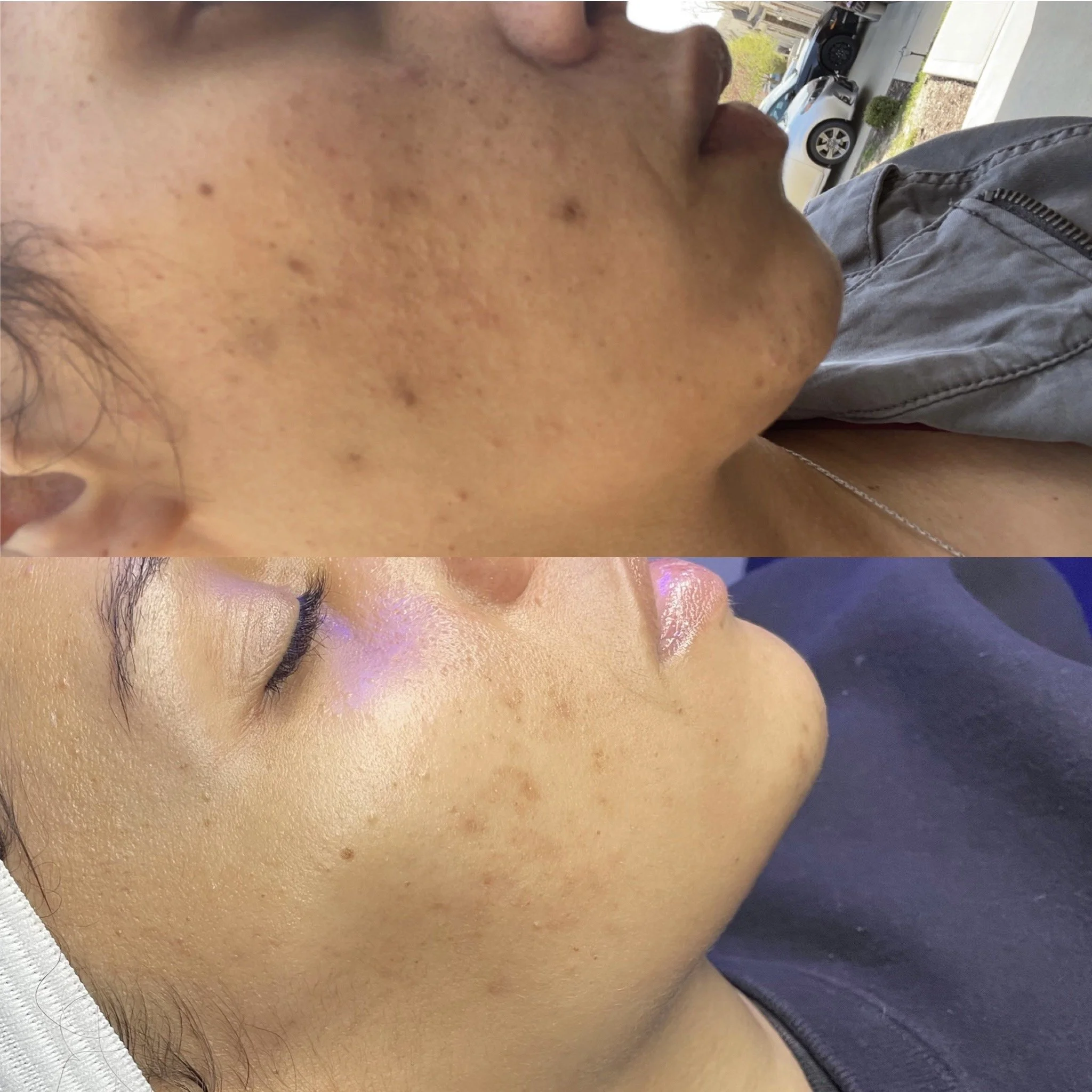
Low Humidity and Moisture Loss
Cold air holds very little moisture. As humidity drops, water is drawn from the skin into the environment. This increases transepidermal water loss and leaves the skin feeling dry, tight, or flaky.
Low humidity also impacts proteins involved in barrier maintenance, which can slow the skin’s ability to repair itself.
Inflammation and Sensitivity
Cold temperatures can trigger inflammatory responses within the skin. Redness, itching, and sensitivity are common, especially for those prone to eczema or rosacea. Wind exposure further aggravates these reactions by disrupting the barrier mechanically.
The Effect of Indoor Heating
Indoor heating compounds the problem by further reducing humidity levels. The skin experiences dryness outdoors and indoors, with little opportunity to recover. Over time, this weakens the lipid matrix that holds the barrier together.
How Heat and Sun Exposure Challenge the Barrier
Warm weather presents a different set of concerns.
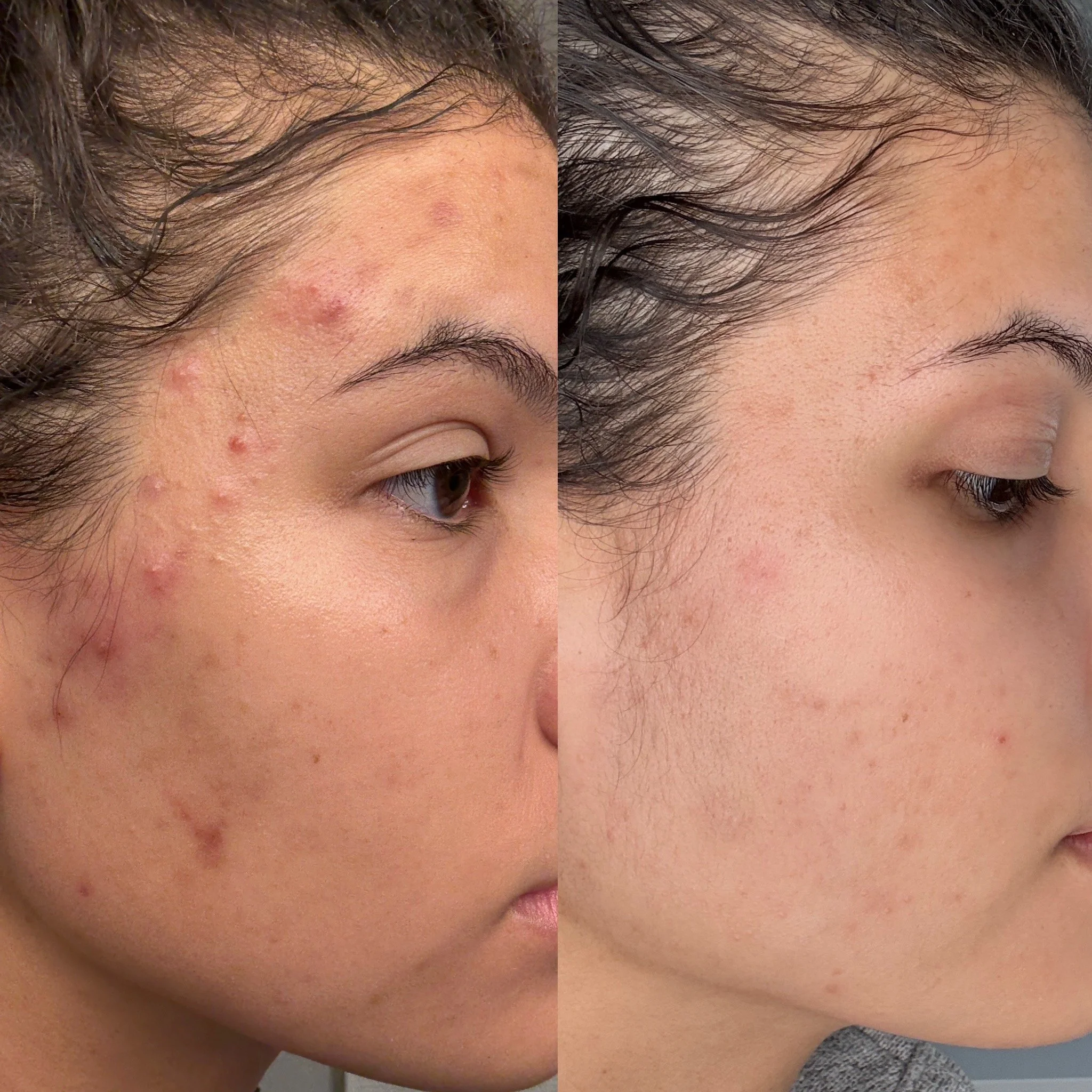
Click here to book your consultation
Ultraviolet Damage
Sun exposure disrupts the lipid structure of the barrier and increases water loss. It weakens the cohesion between skin cells, making the skin more vulnerable to environmental stress and premature aging.
Even when the skin appears oily, it can still be dehydrated beneath the surface.
Increased Oil and Imbalance
Heat stimulates oil production. While oil plays a protective role, excess sebum combined with sweat can disrupt the skin’s pH and contribute to congestion or breakouts. The microbiome becomes less stable, making irritation more likely.
Heat-Induced Inflammation
Prolonged heat exposure increases blood flow to the skin, leading to flushing and inflammation. Hot water, in particular, has been shown to compromise barrier integrity more severely than lukewarm water.
The Role of Humidity
Humidity influences how the skin regulates itself.
High humidity can trap sweat and oil on the surface, increasing the risk of congestion or fungal imbalance. Low humidity accelerates moisture loss and leaves the skin more reactive and vulnerable.
Rapid shifts between environments, such as moving from air-conditioned spaces to hot outdoor air, force the skin to adjust quickly. This often shows up as redness, sensitivity, or dryness, especially for frequent travelers.
Seasonal Transitions and Skin Adaptation
The periods between seasons are often when the skin feels most unsettled.
In fall, cooling temperatures and wind exposure reveal dryness and residual sun damage. In spring, rising humidity, allergens, and increasing sun exposure challenge oil regulation and sensitivity.
These transitions benefit from gradual adjustments rather than sudden changes. Layering hydration, adjusting textures, and slowing exfoliation can help the barrier adapt more comfortably.
Planning Ahead for Weather Changes
When it comes to weather and skin, planning ahead matters. I often think of it as giving the skin a cushion. I have always noticed a difference in my own skin when seasons shift or when I travel between climates. That awareness carries into how I guide my clients.
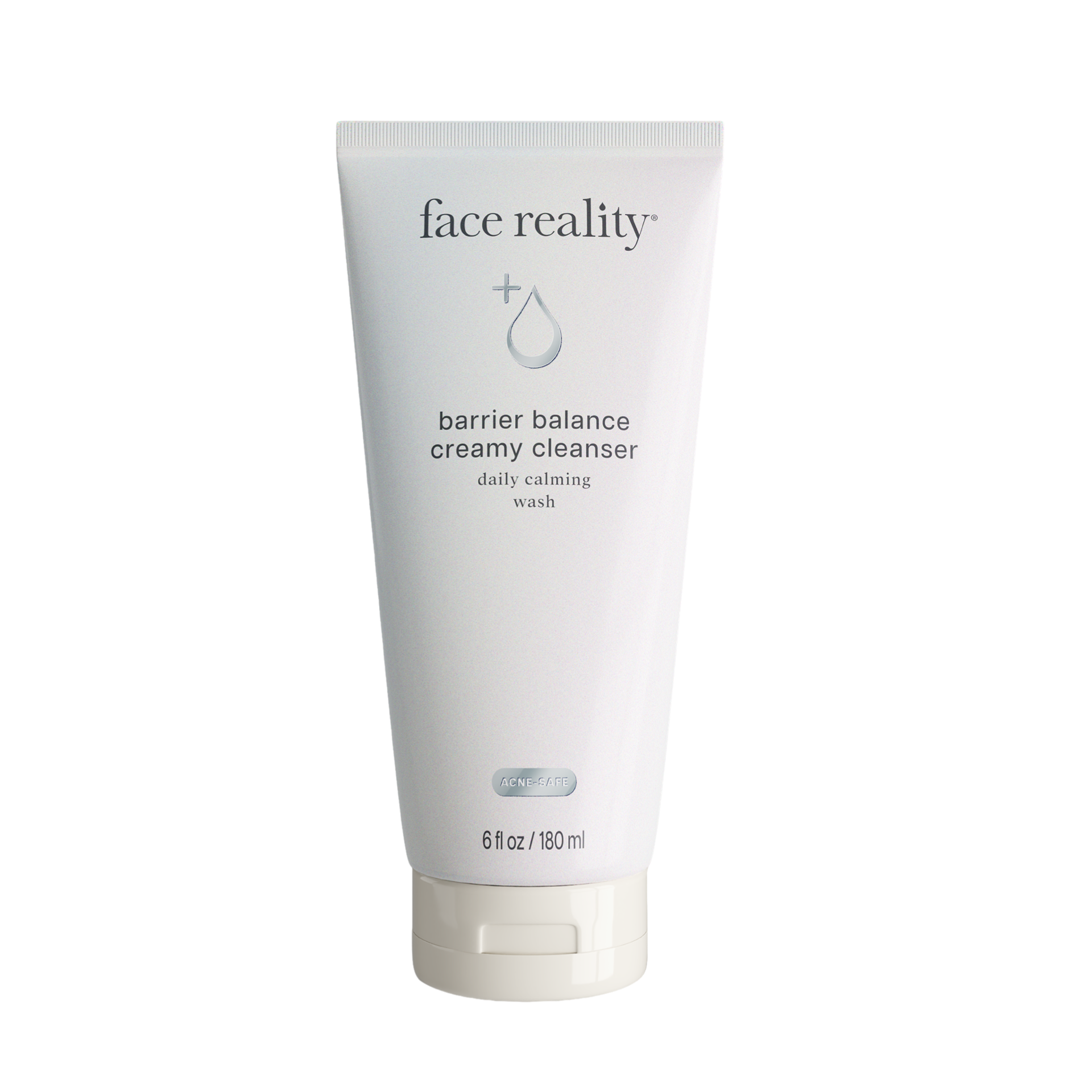
A gentle but powerful cleanser developed specifically for the needs of acne- prone skin. Our creamy cleanser calms, soothes, and hydrates the skin while supporting a healthy microbiome—one of the keys to getting clear skin. An empowering new way to cleanse when your skin needs a super hydrating boost.
One of my regular clients, Tiffany, has naturally dry skin. Rather than waiting for her skin to become uncomfortable, I begin adjusting her routine before seasonal dryness sets in. Her cleanser is swapped for something creamier. Her moisturizer becomes richer. Her sunscreen prioritizes hydration. Exfoliation is reduced. This approach allows her skin barrier to stay intact and calm. No burning, no redness, no irritation. Just consistency.
Many people hesitate to adjust a routine that seems to be working, fearing it will backfire. In reality, these adjustments are preventative. I often compare it to changing tires before winter. It is not a reaction, it is protection for the investment you have already made in your skin.
Professional Support for Barrier Health
Professional treatments can support the skin during environmental stress by focusing on hydration, repair, and barrier integrity.
Barrier-focused facials use gentle cleansing, targeted hydration, and protective ingredients to strengthen the skin without overwhelming it. Chemical exfoliation, when appropriate and carefully selected, can remove compromised surface cells while supporting healthier renewal.
Consultations that consider climate, travel habits, and lifestyle help determine whether the barrier is being challenged by cold, heat, humidity, or sun exposure.
Daily Practices That Protect the Barrier
Morning care should focus on gentle cleansing, hydration, antioxidant support, and sun protection suited to the environment. Evening routines should prioritize thorough but gentle cleansing, restorative treatments that the skin tolerates well, and moisture support to offset overnight water loss.
Year-round habits matter. Staying hydrated, avoiding overly hot showers, using humidifiers during dry months, and choosing breathable fabrics all support barrier health over time.
Closing Thoughts
The skin barrier is constantly responding to its environment. Cold depletes moisture. Heat disrupts balance. Humidity shifts challenge regulation. None of this means the skin is failing. It means it is adapting.
When we support the barrier with intention, consistency, and foresight, the skin becomes more resilient through every season. Skincare feels less reactive and more rhythmic. Healthy skin is not about controlling the environment. It is about preparing the skin to meet it with strength and ease.
Frequently Asked Questions (FAQs)
1. How long does it take for damaged skin barrier to repair itself?
A compromised skin barrier typically takes two to four weeks to repair with proper care. The timeline depends on damage severity and how consistently you support healing. Using gentle products, avoiding irritants, and maintaining hydration speeds recovery. Severe barrier damage from chronic exposure may require professional treatment.
2. Can you repair skin barrier damage naturally without products?
While your skin has natural repair mechanisms, complete recovery from weather damage usually requires some support. Drinking adequate water, getting sufficient sleep, and protecting skin from further stress helps. However, topical moisturizers containing ceramides, fatty acids, and cholesterol directly supply building blocks your barrier needs.
3. Why does my skin react differently to weather than other people?
Genetic factors, underlying skin conditions, and individual barrier composition influence how your skin responds to environmental changes. People with naturally lower ceramide production or filaggrin mutations experience more severe weather-related issues. Your skin's microbiome, pH balance, and oil production are unique to you.
4. Should I change my entire skincare routine when seasons change?
Complete routine overhauls are rarely necessary. Instead, make strategic adjustments to key products. Swap lighter moisturizers for richer formulas as weather cools, or switch to gel-based products when humidity rises. Your cleanser and sunscreen can often remain consistent year-round.
5. Does indoor air conditioning damage skin as much as outdoor weather?
Air conditioning significantly impacts skin by reducing indoor humidity to very low levels. Prolonged exposure to air-conditioned environments increases water loss and decreases barrier function similarly to cold outdoor air. Using a humidifier in air-conditioned spaces and applying moisturizer more frequently helps counteract these effects.