
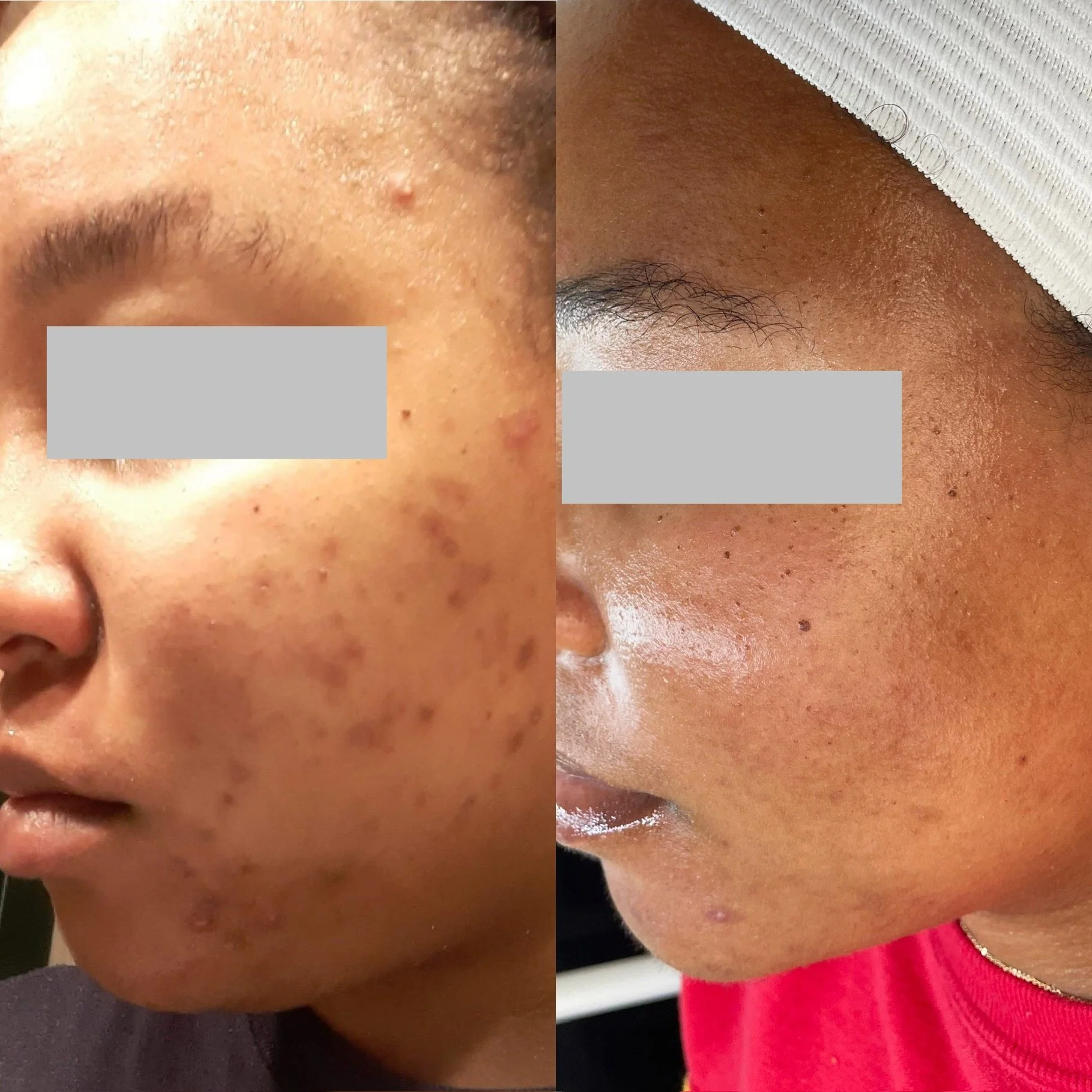
Book your chemical peel consultation here
When someone asks about chemical peel before and after results, what they are often really asking is this: What will my skin actually look like, how will it feel, and is it worth it? There is a quiet vulnerability in that question. A chemical peel is not just a treatment. It is a decision to trust a process that temporarily makes the skin look worse before it looks better. Understanding what truly happens, biologically and visibly, allows that decision to feel grounded rather than uncertain. Chemical peels are one of the most studied and widely performed cosmetic procedures in dermatology. According to the American Society of Plastic Surgeons, more than 1.3 million chemical peels are performed annually in the United States, making them one of the most common non-surgical skin treatments. Their longevity in clinical practice speaks to both safety and effectiveness when properly administered. What follows is not a highlight reel. It is a realistic, medically grounded, and experience-informed guide to what chemical peel before and after transformations truly look like.
What Is Actually Happening During a Chemical Peel?
A chemical peel involves applying a controlled acidic solution to the skin to accelerate exfoliation. This removes damaged outer layers and stimulates cellular renewal.
The Biological Mechanism Behind the Transformation
The outermost layer of the skin, the stratum corneum, functions as a protective barrier. Over time, this layer accumulates damaged keratinocytes, uneven pigment, and debris. A chemical peel loosens the bonds between these cells, encouraging them to shed in a controlled way. More importantly, medium-depth and deeper peels stimulate dermal remodeling. Studies published in the Journal of Clinical and Aesthetic Dermatology show that chemical exfoliation can increase collagen synthesis and epidermal thickness over time. Collagen stimulation is what drives long-term improvements in fine lines and acne scarring. Different acids penetrate at different depths. Glycolic acid is commonly used for superficial resurfacing. Mandelic acid is often preferred for acne-prone or sensitive skin due to its larger molecular size and gentler penetration. Trichloroacetic acid reaches deeper layers and produces more dramatic results with longer recovery. Depth determines both outcome and downtime.
What Does Skin Look Like Immediately After a Chemical Peel?
Immediately post-treatment, the skin often appears flushed and feels tight. This is a normal inflammatory response. The skin may feel warm, similar to a mild sunburn. Redness is caused by increased blood flow to the area as part of the healing cascade. The American Academy of Dermatology explains that controlled injury stimulates repair mechanisms, including increased cell turnover and collagen production. For light peels, this phase may be subtle and resolve within 24 to 48 hours. For medium-depth peels, redness can last several days. It is important to understand that redness is not damage. It is the beginning of renewal.
Days 3–7: The Peeling Phase
Peeling typically begins around day three. It often starts around the mouth and chin before spreading outward. The shedding can appear as fine flaking or more visible sheet-like peeling depending on peel depth. This stage can feel psychologically uncomfortable. The skin may look uneven or textured. Clients often ask if something has gone wrong. In reality, this visible shedding reflects the detachment of damaged surface cells. It is critical not to pick or manually remove peeling skin. Premature removal can disrupt barrier repair and increase the risk of post-inflammatory hyperpigmentation, particularly in deeper skin tones. Hydration becomes essential during this stage. Supporting the barrier with restorative products such as those from Hydrinity, known for advanced hyaluronic acid complexes, can help maintain comfort without interfering with exfoliation.
Weeks 2–4: The Visible Before and After Shift
Once peeling subsides, the skin often looks smoother and more reflective. Texture irregularities feel refined. Pigment appears lighter. The surface feels softer to the touch. This improvement is not cosmetic illusion. Research confirms that superficial chemical peels improve epidermal turnover and reduce hyperpigmentation by dispersing melanin clusters. Fine lines may appear softened due to improved hydration and early collagen remodeling. Acne lesions often decrease because exfoliation reduces follicular blockage. Sun protection becomes non-negotiable during this stage. Newly exposed keratinocytes are more susceptible to ultraviolet damage. Barrier-supportive moisturizers from Skinbetter Science can reinforce lipid integrity while the skin recalibrates.
Months 1–3: Collagen Remodeling and Long-Term Results
The most meaningful changes occur beneath the surface. Collagen remodeling continues for weeks to months after treatment. According to dermatologic research, medium-depth peels can induce new collagen formation in the papillary dermis, contributing to improved elasticity and reduction in shallow scarring. This is when acne scars begin appearing less pronounced. Fine lines soften further. Skin feels firmer. Clients often describe this phase as the moment their skin looks quietly healthier rather than freshly treated.
Before and After by Skin Concern
Acne and Post-Inflammatory Marks
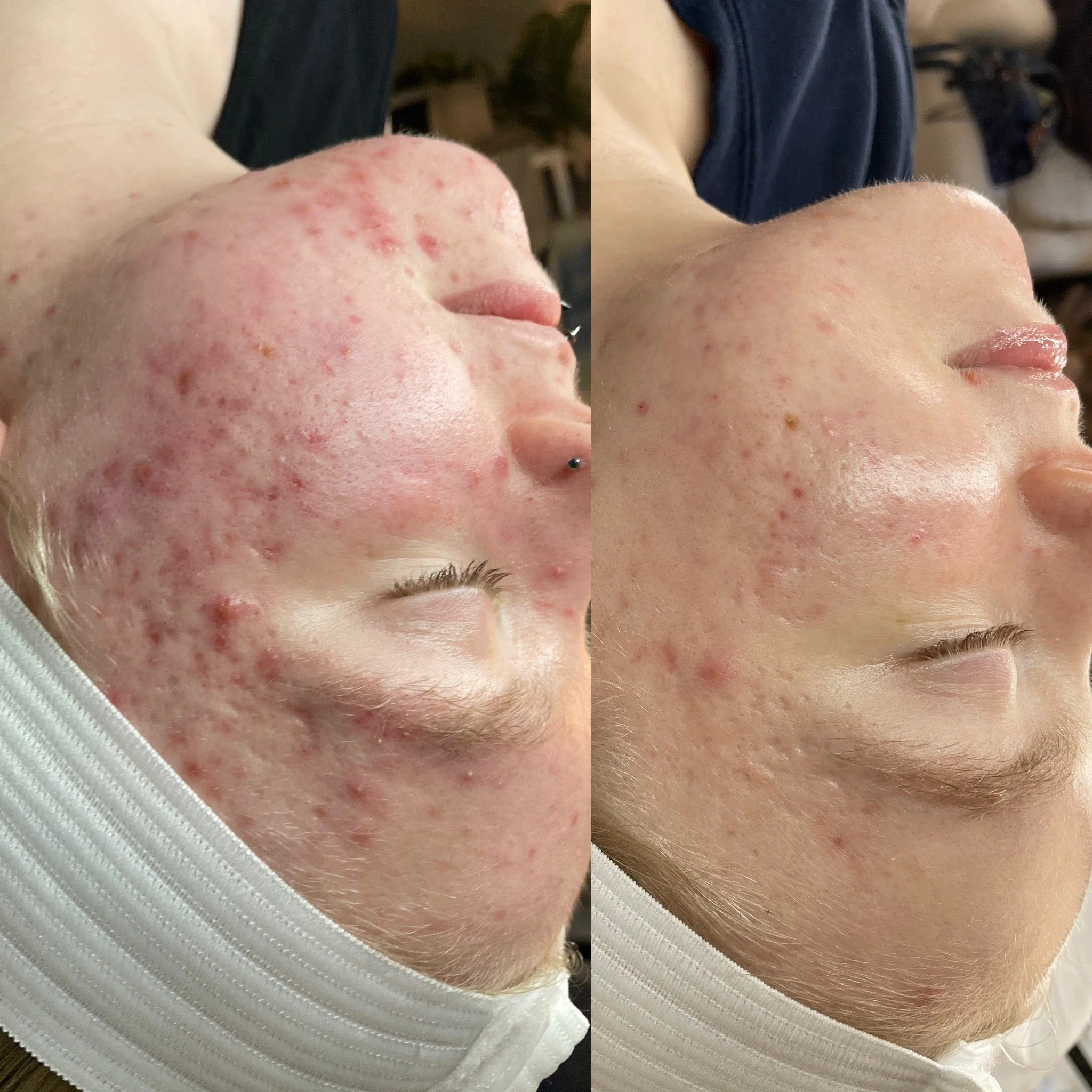
Chemical peels reduce acne by promoting exfoliation within the follicle and reducing keratin buildup. Mandelic acid is particularly effective for inflammatory acne because of its antibacterial properties and gentler penetration profile. For active acne management, protocols often include clinical systems such as Face Reality, which prioritize barrier integrity while targeting congestion. Acne scars improve gradually. Shallow atrophic scars respond well to repeated superficial or medium-depth peels. Deeper scarring may benefit from combination therapy, including microneedling.
Hyperpigmentation and Sun Damage
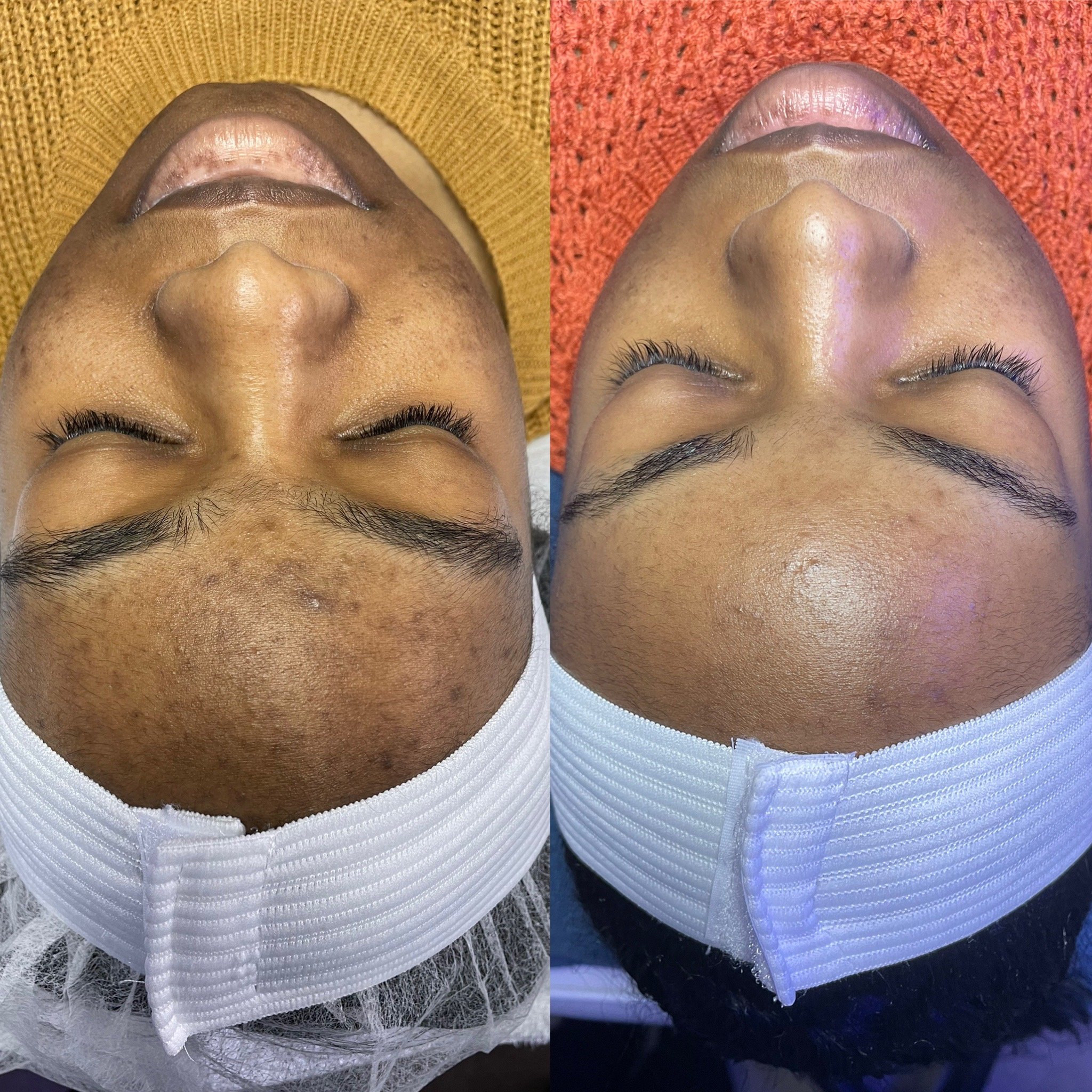
Chemical peels are highly effective for epidermal pigmentation. By removing melanin-rich surface cells, tone becomes more even. Studies confirm that serial superficial peels improve melasma and solar lentigines when combined with sun protection. However, results depend on strict UV avoidance during healing. Without protection, pigment can return.
Fine Lines and Early Aging
Fine lines respond to peels through both resurfacing and collagen stimulation. While deep wrinkles require more advanced intervention, early aging signs soften significantly. For clients concerned with both pigment and aging, pairing professional peels with antioxidant and retinoid systems from GlyMed Plus can extend and maintain results.
Chemical Peel Results by Depth
Superficial Peels
Minimal downtime. Subtle flaking. Noticeable brightness and smoother texture. Ideal for maintenance and mild discoloration.
Medium-Depth Peels
Five to seven days of peeling. More pronounced redness. Significant improvement in pigmentation, acne scarring, and fine lines.
Deep Peels
Reserved for advanced photodamage and deeper wrinkles. Require medical oversight and extended recovery. Results can be dramatic and long lasting.
A Clinical Perspective from Practice

I often remind clients that the goal is not aggression. It is precision. One client came to me frustrated after a peel performed elsewhere left her barrier compromised for weeks. Her skin was red, reactive, and fearful of everything applied to it. We paused exfoliation entirely. We rebuilt her barrier first. Months later, we reintroduced controlled, lower-depth peels gradually. This time, her skin responded beautifully. No prolonged redness. No irritation. Just progressive improvement. The before and after difference was not just visual. It was biological resilience.
Preparing for Better Before and After Results
Pre-Treatment
Avoid active sun exposure for at least two weeks prior to your appointment, including tanning beds and prolonged outdoor activity without protection. Even mild sunburn or recent tanning increases inflammation in the skin and can raise the risk of post-inflammatory hyperpigmentation after a peel. Discontinue retinoids, prescription topicals, and strong exfoliants such as aggressive acids or scrubs as advised, typically five to seven days beforehand depending on strength and frequency. These products thin the stratum corneum and can cause the peel to penetrate more deeply than intended. Instead of trying to “prep” by exfoliating more, focus on strengthening the barrier. Gentle cleansing, consistent hydration, and a lipid-supportive moisturizer help the skin enter treatment stable and resilient. A calm barrier responds more predictably, heals more efficiently, and ultimately produces better before and after results.
Post-Treatment
Moisturize consistently to support barrier repair and reduce transepidermal water loss while new skin cells are emerging. Choose gentle, non-active formulas and reapply as needed to keep the skin comfortable. Avoid excessive heat, including hot showers, saunas, and steam, as heat increases vasodilation and can intensify redness or prolong inflammation. If you are experiencing moderate redness or swelling, avoid heavy exercise for the first few days since increased circulation and sweating may irritate healing skin. Use broad-spectrum SPF daily, even if you are indoors near windows, as freshly exfoliated skin is more vulnerable to UV-induced pigmentation. The National Library of Medicine emphasizes that appropriate aftercare reduces complications and optimizes clinical outcomes.
Setting Realistic Expectations
Chemical peels are transformative, but they are not surgical. They cannot tighten severely sagging skin or erase deep folds. They refine, brighten, stimulate, and renew. Results vary based on skin type, age, hormonal influences, and consistency of care. A single peel can produce visible improvement. A thoughtfully spaced series often produces the most meaningful change.
The Quiet Power of Controlled Renewal
Chemical peel before and after images capture visible change. What they do not always show is the gradual strengthening that occurs beneath the surface. When performed thoughtfully and supported by proper preparation and aftercare, chemical peels improve not only how skin looks, but how it functions. Healthy skin is rarely about dramatic overhaul. It is about strategic renewal. It is about allowing the skin to regenerate in a way that feels supported, not overwhelmed. The most beautiful before and after transformations are not shocking. They are refined, balanced, and they are built through consistency.
Frequently Asked Questions (FAQs)
1. How long does it take to see results from a chemical peel?
Initial improvements appear within one to two weeks as peeling subsides and fresh skin emerges. Full results develop over one to three months as collagen production increases and skin continues regenerating. The timeline varies based on peel depth.
2. Can I wear makeup after a chemical peel?
Light peels typically allow makeup application the next day, though your skin may be sensitive. Medium peels require waiting until peeling stops, usually five to seven days. Always use gentle, non-irritating products and follow your esthetician's specific recommendations.
3. How often should I get chemical peels?
Light peels can be repeated every two to five weeks for cumulative benefits. Medium peels are typically spaced three to six months apart. Deep peels are usually one-time treatments for the face due to their intensity. Your esthetician will recommend a schedule based on your skin concerns.
4. Are chemical peels safe for all skin types?
Superficial peels work well for most skin types, but people with darker skin tones face higher risks of post-inflammatory hyperpigmentation with medium and deep peels. Working with an experienced esthetician ensures proper peel selection and technique to minimize complications.
5. What's the difference between at-home peels and professional treatments?
Professional chemical peels use higher concentrations of active ingredients and are applied by trained estheticians who can assess your skin and adjust treatment accordingly. At-home peels are much gentler and deliver more subtle results. Professional treatments offer stronger, faster improvements with proper safety protocols.